Water Damage Restoration in Bellwood That Protects Your Home
When a supply line bursts or a storm pushes water under the door, we pull the water out, dry the structure to measured targets, and handle mold, sewage and the rebuild. We cover your floors before we start and pick up after ourselves every day, in Bellwood and nearby towns like Chester and Midlothian.
- Free on-site inspection
- Floors covered before work
- Debris out the same day
- Insurance process explained
How We Work Inside Your Home
Restoration means heavy equipment, hoses and wet debris moving through rooms you live in. We plan for that from the first hour, so the damage gets fixed without the rest of the house paying for it.
Measured drying methods
We are IICRC certified, and we follow the drying and restoration practices that training is built on. That means classifying the water, measuring moisture in the framing and subfloor, and setting drying goals from readings instead of guesswork.
Protection goes down first
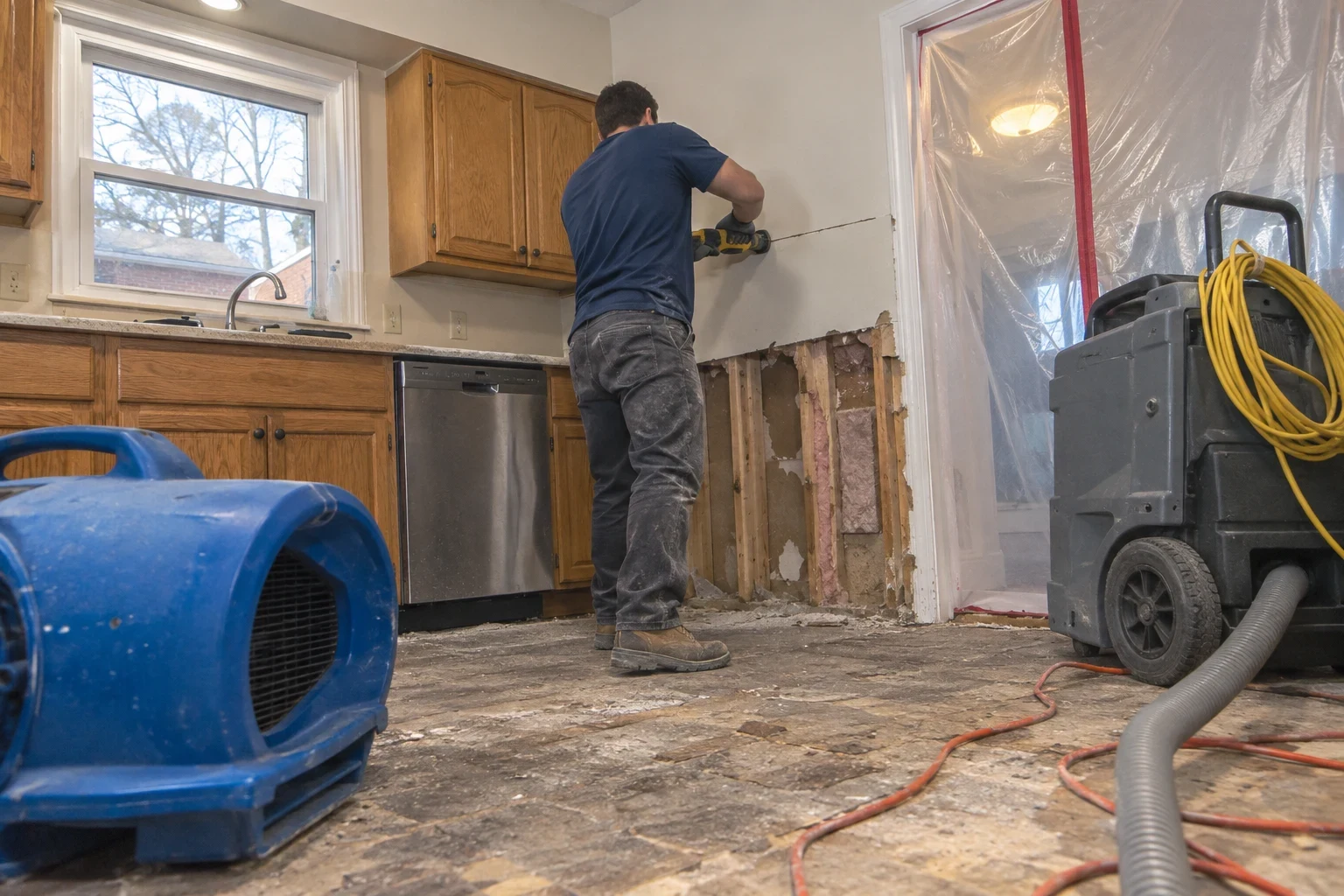
Before a hose crosses a threshold, we lay floor runners on the path from the door to the wet area and pad door jambs where equipment passes. When we cut out wet drywall or treat mold, we hang plastic sheeting to keep dust and spores in the work zone.
A tidy work area every day
Wet carpet pad, cut drywall and soaked insulation get bagged and carried out the same day, not stacked in your garage. We HEPA-vacuum the work area, coil the hoses and set air movers where they will not trip anyone before we leave.
Readings and photos you can see
We photograph what we find and log moisture readings at marked points each visit. You see the numbers drop, and so does your insurance adjuster.
Help with the insurance side
We work with most major insurance companies. We document the loss, share our scope and photos with your adjuster, and explain each step of the claim, while the coverage decision stays between you and your insurer.
Restoration Services for Your Home
Water damage moves in stages, and so does our work. We start with water extraction and drying and dehumidifying, then deal with what the water left behind: mold remediation, flood cleanup or sewage cleanup. When the structure is dry and sanitized, our repairs and rebuild crew puts back the drywall, trim and flooring that had to come out.
Water Extraction
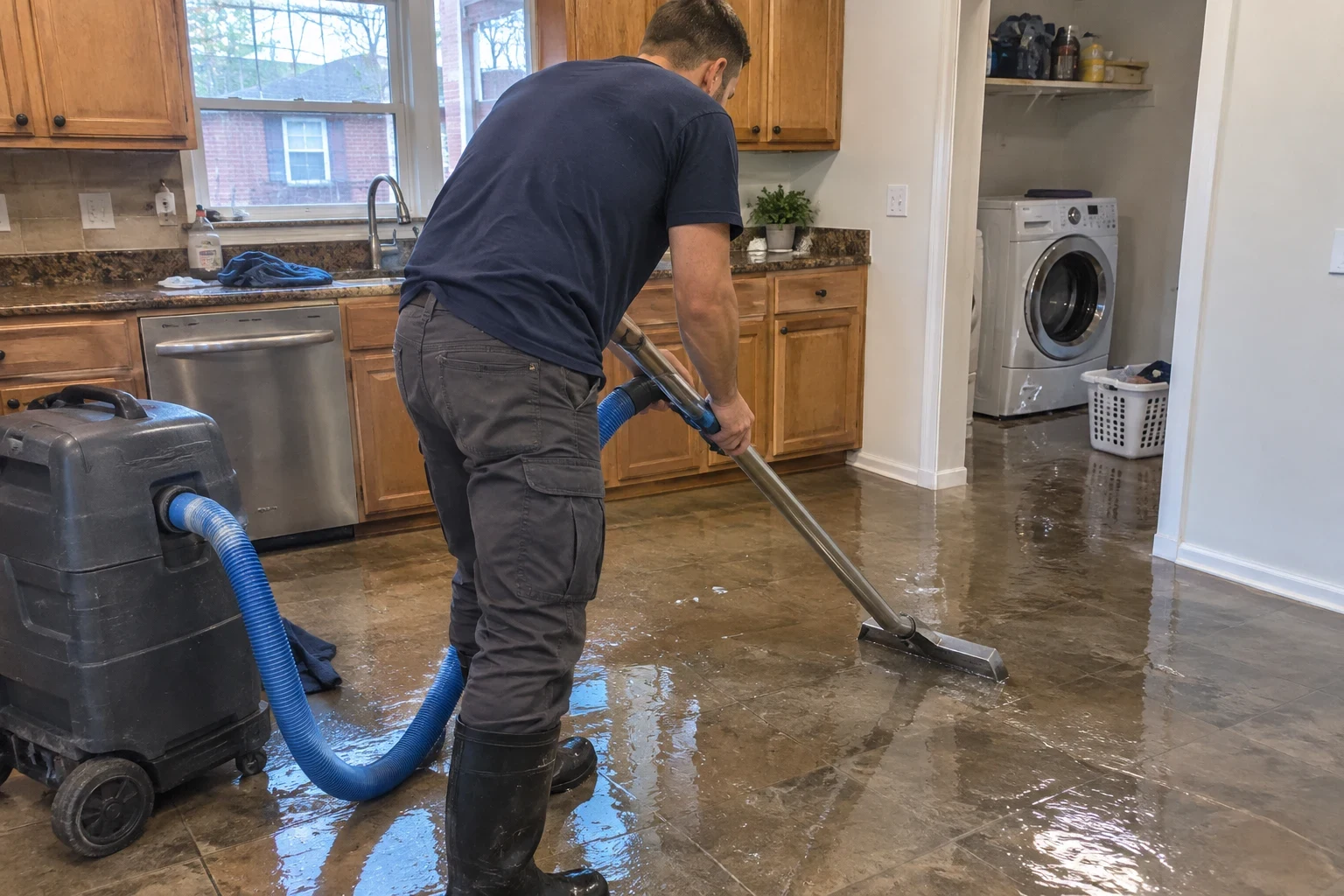
We remove standing and soaked-in water from carpet, pad, hardwood and subfloors before it wicks into drywall and framing.
Drying and Dehumidifying
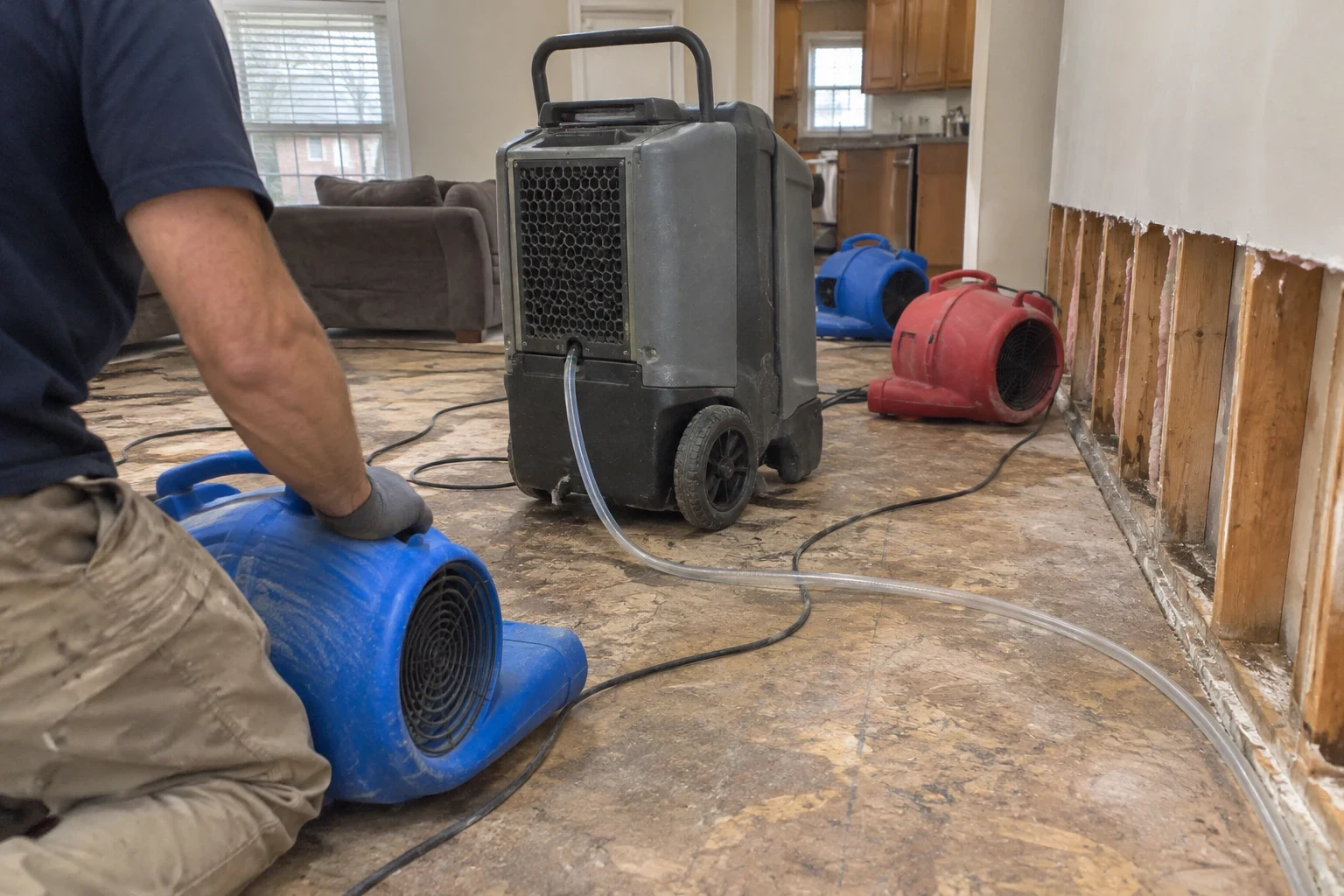
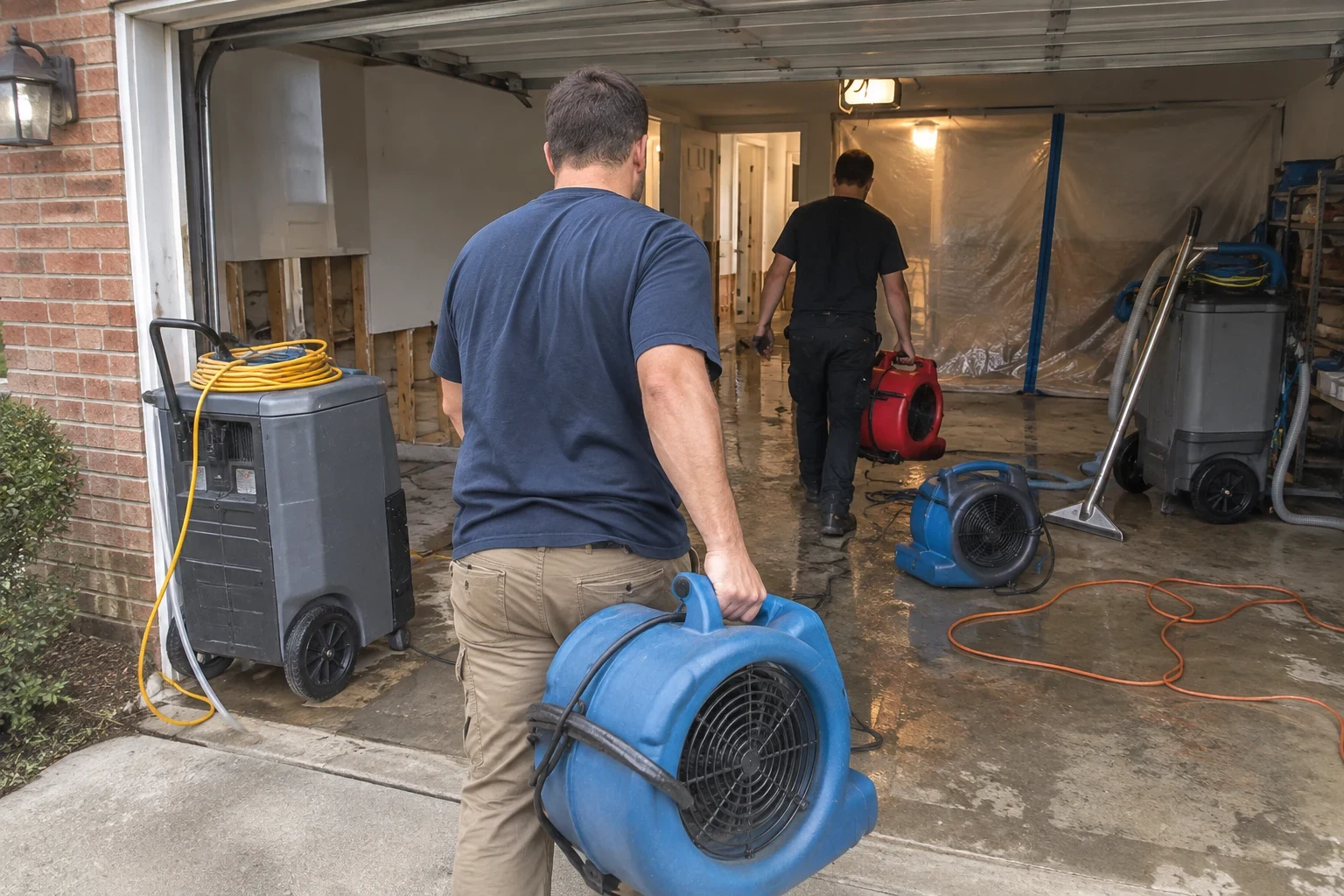
Commercial dehumidifiers, air movers and daily moisture readings that dry walls, subfloors and hardwood in place, with a tidy setup inside your home.
Mold Remediation
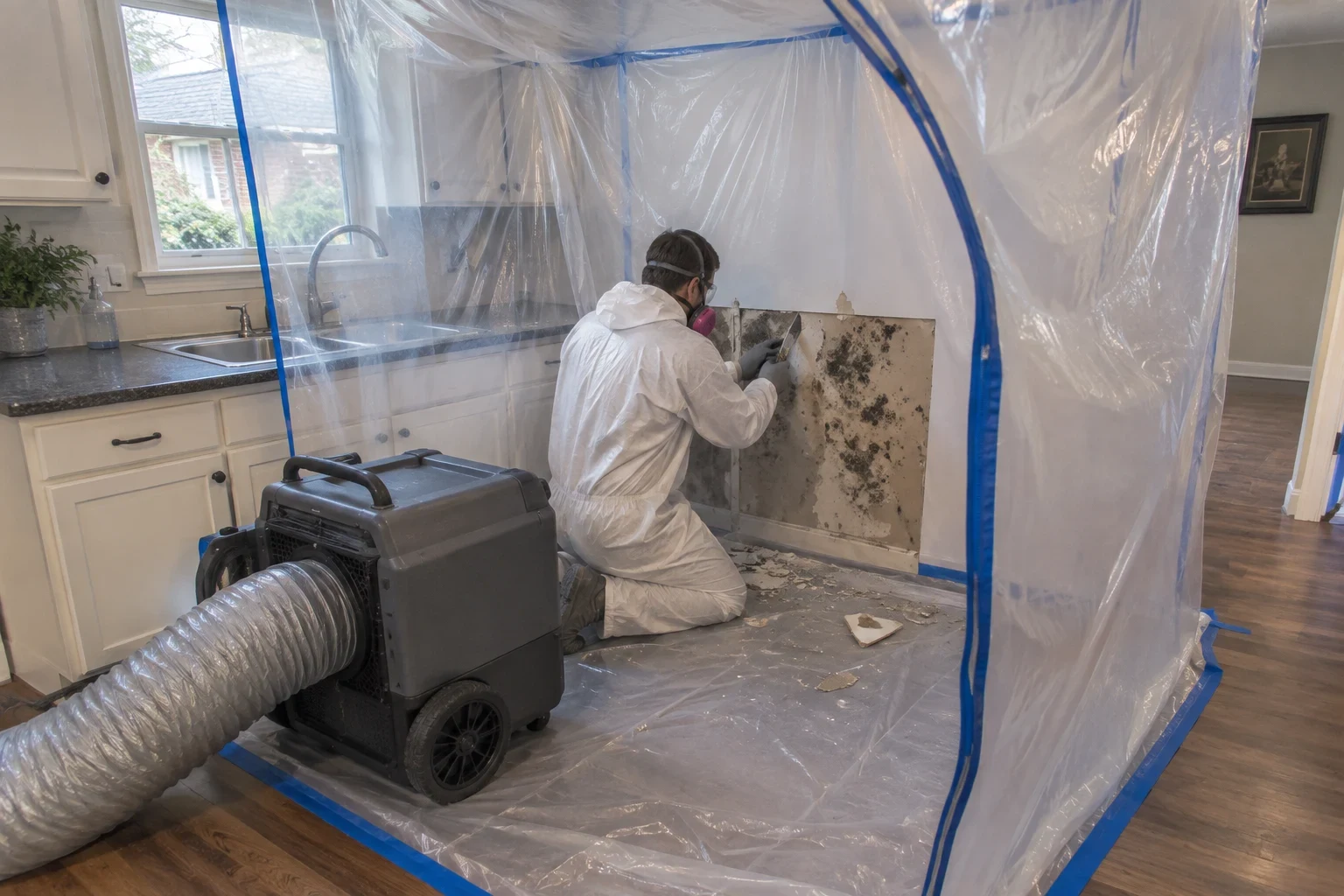
We find the moisture feeding the mold, seal off the area, remove affected material under HEPA filtration and leave the rooms tidy and ready for repairs.
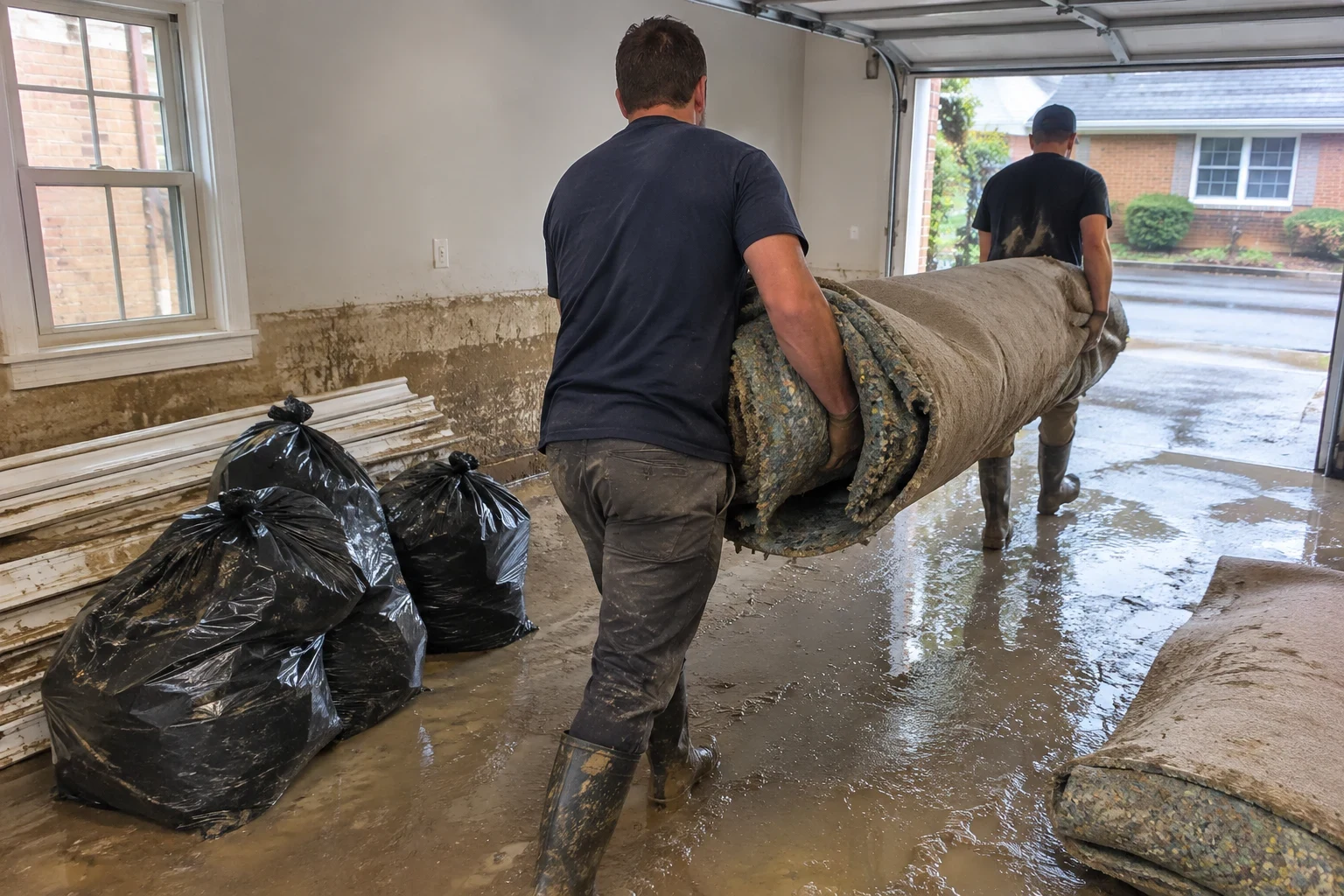
Flood Cleanup
Removal of floodwater, silt and soaked materials, then scrubbing and disinfecting the structure so it can dry and be rebuilt safely.
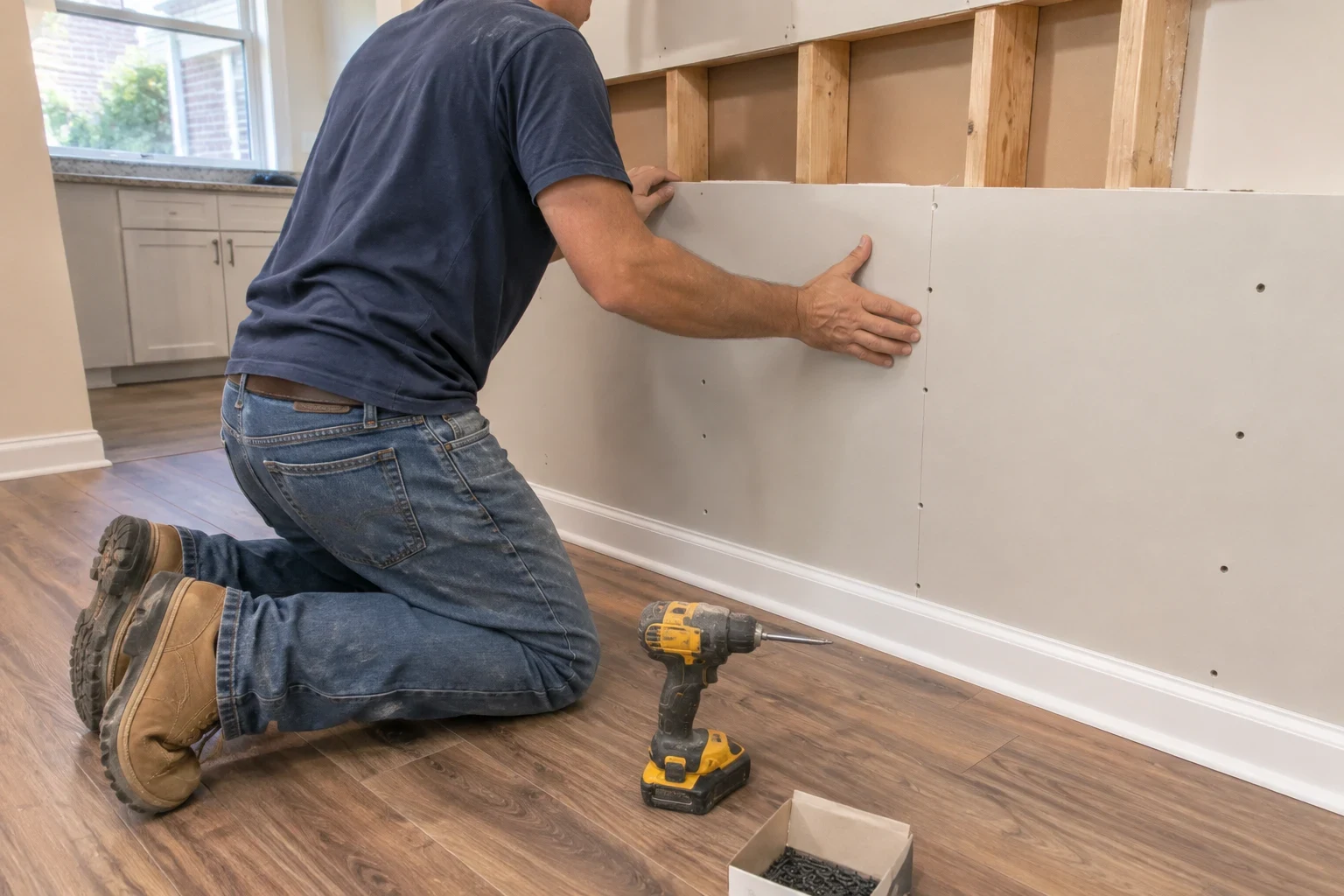
Repairs and Rebuild
We replace the drywall, insulation, subfloor, flooring, trim and cabinets that water ruined, with dust control and cleanup every working day.
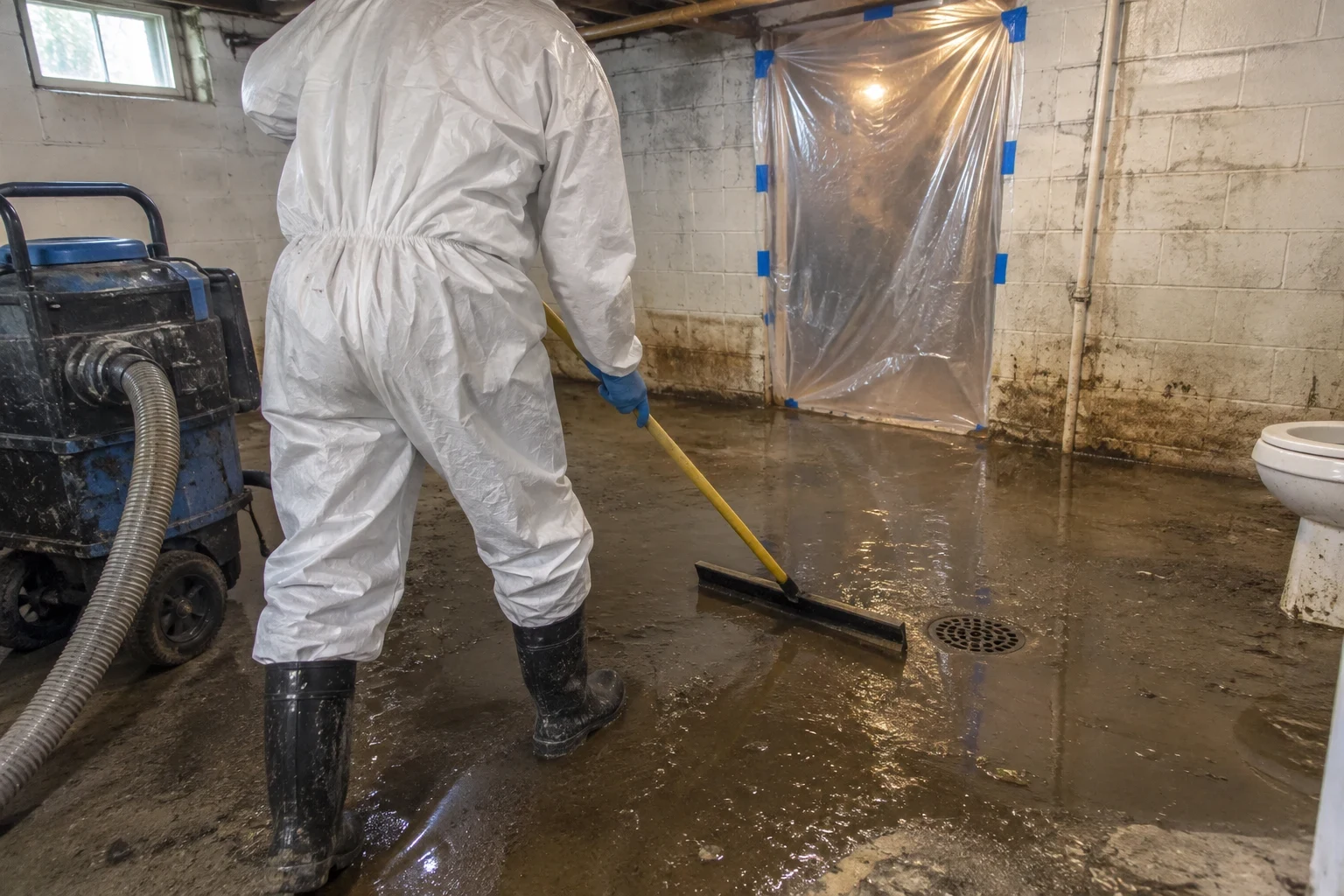
Sewage Cleanup
Contained, disinfected sewage backup removal that takes out contaminated materials, dries the structure and keeps the rest of your home protected.
Where We Work
We are based in Bellwood and respond to homes across the area, including Chester, Meadowbrook, Bensley, Rockwood and Montrose. We also cover Richmond, Manchester, Enon, Hopewell and Midlothian. The same crew practices come with us to every address, from the floor runners to the end-of-day sweep.
- Bellwood
- Chester
- Meadowbrook
- Bensley
- Richmond
- Manchester
- Rockwood
- Montrose
- Enon
- Hopewell
- Midlothian
If your town is not listed, give us a call and we will tell you whether we can reach you quickly. You can see the full list on our Service Areas page.
About Water Damage Restoration Bellwood
We are a restoration company working out of Bellwood, VA, and our work happens inside people's homes on some of their worst days. A flooded basement or a ceiling dripping from a failed toilet supply line is stressful enough. We do not want to add muddy footprints, drywall dust in the bedrooms and a pile of wet carpet on the driveway.
So we treat the house like the home it is. We explain what we are removing and why, we keep the work zone contained, and we leave each room in better order than we found it at the end of every day. Our humid summers mean drying has to be measured and managed, not left to chance, and that is the standard we hold every job to.
- Certifications
- IICRC certified
What Shapes the Cost of a Water Damage Job
No two losses are priced the same, because the bill follows what the water touched and how long it stayed. These are the factors we look at during the inspection, and we explain each one before work goes past the emergency stage.
The on-site inspection is free, and we write up what we found and what we recommend before rebuild work begins. If insurance is involved, our scope and photos go to your adjuster so the estimate reflects the actual damage.
- Category of water
- Water from a supply line costs less to handle than gray water from a washing machine or black water from a sewer backup. Contaminated water means more protective gear, more removal of porous materials and antimicrobial treatment.
- How far it wicked
- Drywall pulls water upward through capillary action, sometimes a foot or more above the visible line. Wet insulation, baseboards and subfloor add removal and drying time.
- Materials involved
- Carpet over a thin pad dries differently than solid hardwood, which can cup as it absorbs moisture. Plaster walls, cabinets and laminate each need their own approach.
- Size and number of rooms
- More square footage means more air movers and dehumidifiers running for more days.
- Access to the wet areas
- A tight crawlspace or a finished basement with walled-in framing takes more labor to reach and dry than an open slab floor.
- Rebuild scope
- Replacing a few feet of drywall and baseboard is a short job. New flooring, cabinets or a full room finish adds materials and trade time.
How a Water Damage Job Runs
Most jobs follow the same five steps. The order matters, because drying a wall that still holds standing water behind it wastes days.
- 1
Your call and our arrival
Tell us where the water is coming from and whether it is still running. We aim to be on site in 60 mins or less, and we will walk you through shutting off the main valve while we drive.
- 2
Inspect, classify and protect
We find the source, map the wet area with moisture meters and a thermal camera, and classify the water. Floor runners and containment go up before any tear-out.
- 3
Extract and remove
Truck-mounted or portable extractors pull standing water from carpet, pad and hard floors. We cut out materials that cannot be dried or sanitized and bag them out that day.
- 4
Dry and monitor
Air movers and low-grain refrigerant dehumidifiers run until framing and subfloor reach dry readings. We check and log the numbers on each visit, adjusting equipment as rooms dry.
- 5
Rebuild and final wipe-down
Once the structure is dry, we replace drywall, trim and flooring, then vacuum and wipe down the room so it is ready to use again.
Questions Homeowners Ask Us
How quickly can you get to my home?
We are on site in 60 mins or less for emergency calls. Until we arrive, shut off the water at the main valve if you can, and turn off power to any room where water is near outlets or cords. Move rugs and small furniture off wet floors if it is safe to do so.
Will my homeowners insurance cover this?
Many policies cover sudden water damage such as a burst pipe or failed appliance line, while slow leaks and some flood events are often excluded. We work with most major insurance companies and provide the photos, moisture readings and scope your adjuster needs. Your insurer makes the coverage decision, and we will explain what we see so you can ask the right questions.
How long does drying usually take?
A clear-water loss caught early often dries in three to five days. Dense materials like hardwood, plaster and subfloor can take longer, and so can a loss that sat for a day or two. We go by moisture readings, so equipment comes out when the materials are dry, not on a fixed date.
Can my carpet be saved?
Carpet soaked by water from a supply line can often be extracted and dried in place, though the pad underneath usually has to be replaced. Carpet touched by sewage or floodwater is removed, because it cannot be reliably sanitized. We tell you which situation you have during the inspection.
Do I have to move out during the work?
Most families stay home during drying. The equipment makes steady noise and adds warmth, and we contain the work area with plastic sheeting. Sewage cleanup or large mold remediation jobs may call for staying away from the affected area until it is treated and cleared.
When does mold become a concern?
Mold can begin growing on wet drywall paper and wood within 24 to 48 hours in warm, humid conditions. That is why fast extraction and drying matter so much. If we find existing growth, our mold remediation work uses containment and HEPA filtration so spores stay out of the rest of the house.
Is the inspection really free?
Yes. We come out, find the source, measure how far the moisture has spread and explain what needs to happen. You decide how to proceed from there.
Water Where It Should Not Be? Let Us Handle It
The sooner the water comes out, the less has to be torn out later. Give us a call and we will get extraction started and your home protected.