ServicesRepairs and Rebuild
Repairs and Rebuild in Bellwood
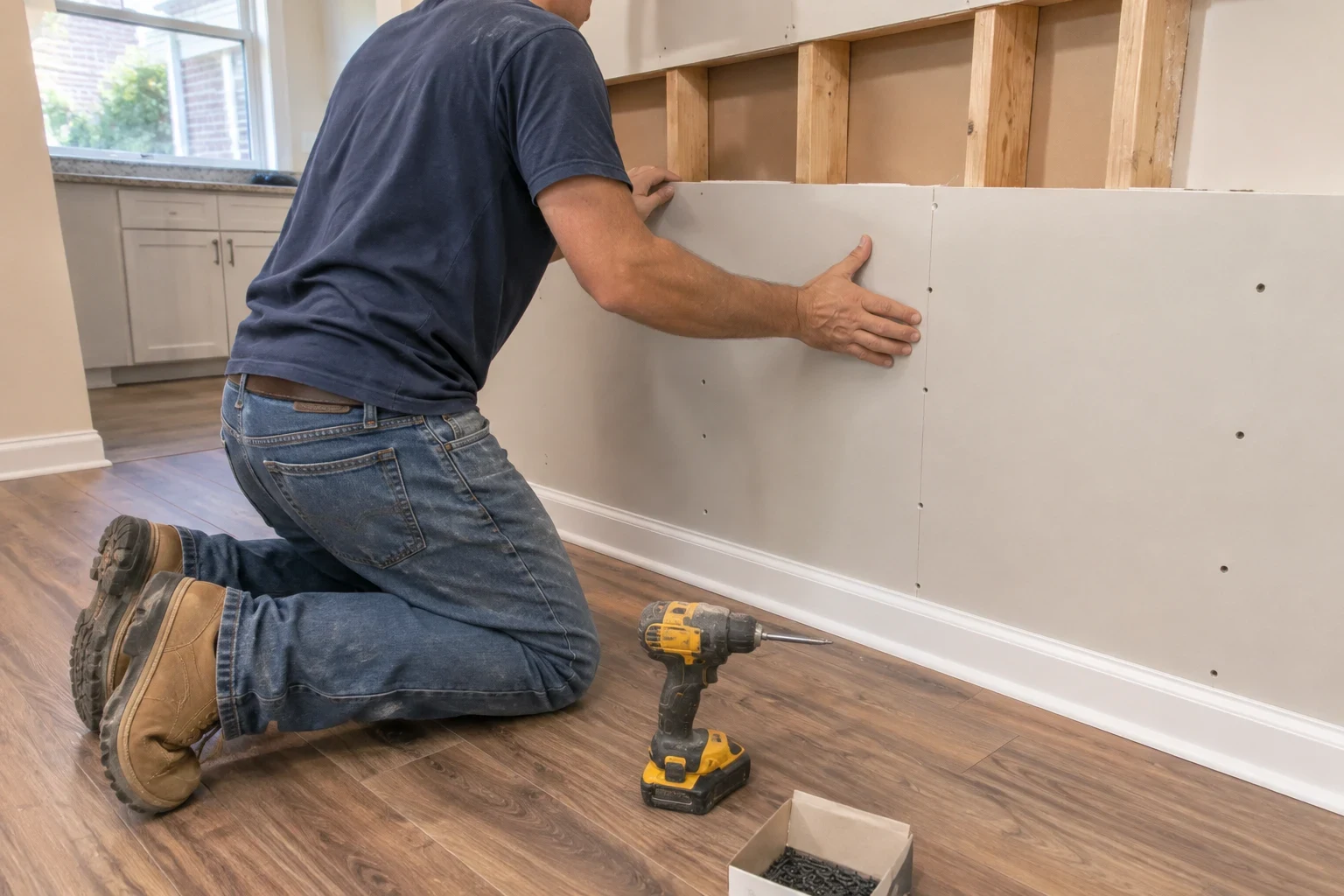
Once your home is dry, the cut-out drywall, pulled carpet and swollen baseboards still have to be put back. We rebuild those materials to match what was there, seal off the work area, and leave the rooms swept and vacuumed at the end of each day.
Putting the Rooms Back Together
Repairs and rebuild is the last stage of a water loss. Earlier crews remove wet materials so the structure can dry. We replace what came out: drywall, insulation, subfloor, finished flooring, baseboard, door casing, and cabinets. The goal is a room that looks and works the way it did before the leak, with nothing wet sealed behind the new surfaces.
We do not close a wall until moisture readings in the studs and bottom plate match readings from an unaffected part of your home. Drywall hung over damp framing traps that moisture, and it shows up later as nail pops, peeling paint or a musty smell. If the readings are still high, the job goes back to drying and dehumidifying before any board goes up.
While we work, the rest of your home stays protected. Plastic sheeting goes up at the doorways, floor runners go down on the path we walk, and sanding is done with vacuum-attached tools. Every evening we bag debris, HEPA-vacuum, and leave the work area tidy so you can use the house around us.
What the Rebuild Covers
Drywall and insulation
We replace fiberglass batts and drywall removed during the flood cut, usually two feet or more above the wicking line. Seams are taped, mudded and sanded, and we match the existing wall texture so the patch does not stand out.
Subfloor and underlayment
OSB and particleboard swell at the edges when they soak and do not flatten back out. We cut out soft or delaminated sections, sister joists where needed, and fasten new panels so the finished floor sits level.
Finished flooring
Laminate and engineered wood that has cupped or lifted at the joints can rarely be saved. We install replacement flooring and blend transitions at doorways so the repaired room meets the next one cleanly.
Trim, doors and cabinets
MDF baseboard, door casing and cabinet toe kicks absorb water and swell along the bottom edge. We replace them with matching profiles, then caulk, fill and paint so the run looks continuous.
Primer and paint
Water-stained areas get a stain-blocking primer first, because standard paint lets tannin and mineral stains bleed back through. We paint the full wall to the nearest corner so you do not see a color line.
Signs You Need Repairs, Not Just Drying
Walls are open to the studs
If drywall was cut out during extraction, the cavity has to be closed once it is dry. Leaving it open exposes wiring and lets dust and pests into the wall.
Floors feel soft or uneven
A spongy spot or a ridge under the carpet usually means swollen subfloor. It will not settle back down on its own.
Baseboards have split or bulged
Swollen MDF trim has absorbed water through its core. Even after drying, it stays distorted and the paint will keep cracking.
Stains return through fresh paint
Yellow or brown rings showing through a recent coat mean the stain was never sealed. Sometimes the drywall behind it is still damaged and needs replacing.
Cabinet bases are delaminating
Particleboard cabinet floors and sides lose strength once wet. Peeling laminate or a sagging shelf under a sink is a sign the box needs replacing.
How a Rebuild Job Runs
- 1
Inspection and moisture check
We walk the affected rooms, take moisture readings in framing and subfloor, and photograph what we find. You get a written, line-item scope that lists each material we plan to replace.
- 2
Protecting the rest of your home
Before cutting or sanding, we hang plastic sheeting at the doorways, lay floor protection along our path, and cover furniture that stays in nearby rooms.
- 3
Framing, subfloor and drywall
Structural repairs come first, then insulation and drywall. Where the local building department requires a permit for the work, we pull it and schedule the inspection before walls are closed.
- 4
Finishes and trim
Flooring, cabinets, trim and paint go in last. Each day ends with debris bagged and removed, tools stored, and the work area vacuumed.
- 5
Final walkthrough
We walk the finished rooms with you, take down the containment, and do a last cleaning so you can move furniture back in.
What Moves the Price of a Rebuild
Rebuild cost depends on how much material came out and what has to go back in. We give you a written estimate after we see the rooms and take readings. If we find hidden damage once work starts, we show you photos and explain the change before doing it.
- Square footage and height of the cut
- A two-foot flood cut around one room is a different job from full-height drywall in a finished basement. More board means more taping, sanding and paint.
- Condition of the structure
- Sound framing and subfloor keep the job to surface materials. Rot or delaminated panels add structural work before finishes can start.
- Finish materials you choose
- Matching an existing hardwood, tile or cabinet line can cost more than a standard replacement, especially if the original product is discontinued.
- Permits and inspections
- Electrical, plumbing or structural work may need a permit and inspection, which adds time and fees to the schedule.
- Insurance scope
- We work with most major insurance companies. The adjuster decides what your policy covers, and we document the damage so their scope reflects what we found.
Repairs and Rebuild Questions
Something not covered here? (804) 701-8207
How do you know the walls are dry enough to close?
We measure moisture in the studs, bottom plate and subfloor with a meter and compare it to a dry reference area in your home. When the numbers match, the materials are ready. If they do not, we keep drying rather than trap moisture behind new drywall.
Can you match my existing flooring and trim?
In most cases, yes. We bring a cut piece of baseboard or a loose floor plank to the supplier to match profile, species and color. If the original is discontinued, we will tell you before ordering and go over the closest options.
How messy will my house be during the rebuild?
Drywall work makes fine dust, so we contain it. Doorways get plastic sheeting, floors get runners, and sanders are connected to vacuums. At the end of each day, we remove debris and vacuum the work area so the rest of the house stays usable.
Will my insurance pay for the rebuild?
That depends on your policy and the cause of the water. We work with most major insurance companies and provide photos, moisture readings and a line-item scope. The adjuster makes the coverage decision, and we can walk you through what they are asking for.
What if you find mold when you open a wall?
We stop that area and show you what we found. Visible growth on framing or the back of drywall needs mold remediation before any rebuild starts, so it is handled first and the rebuild continues after.
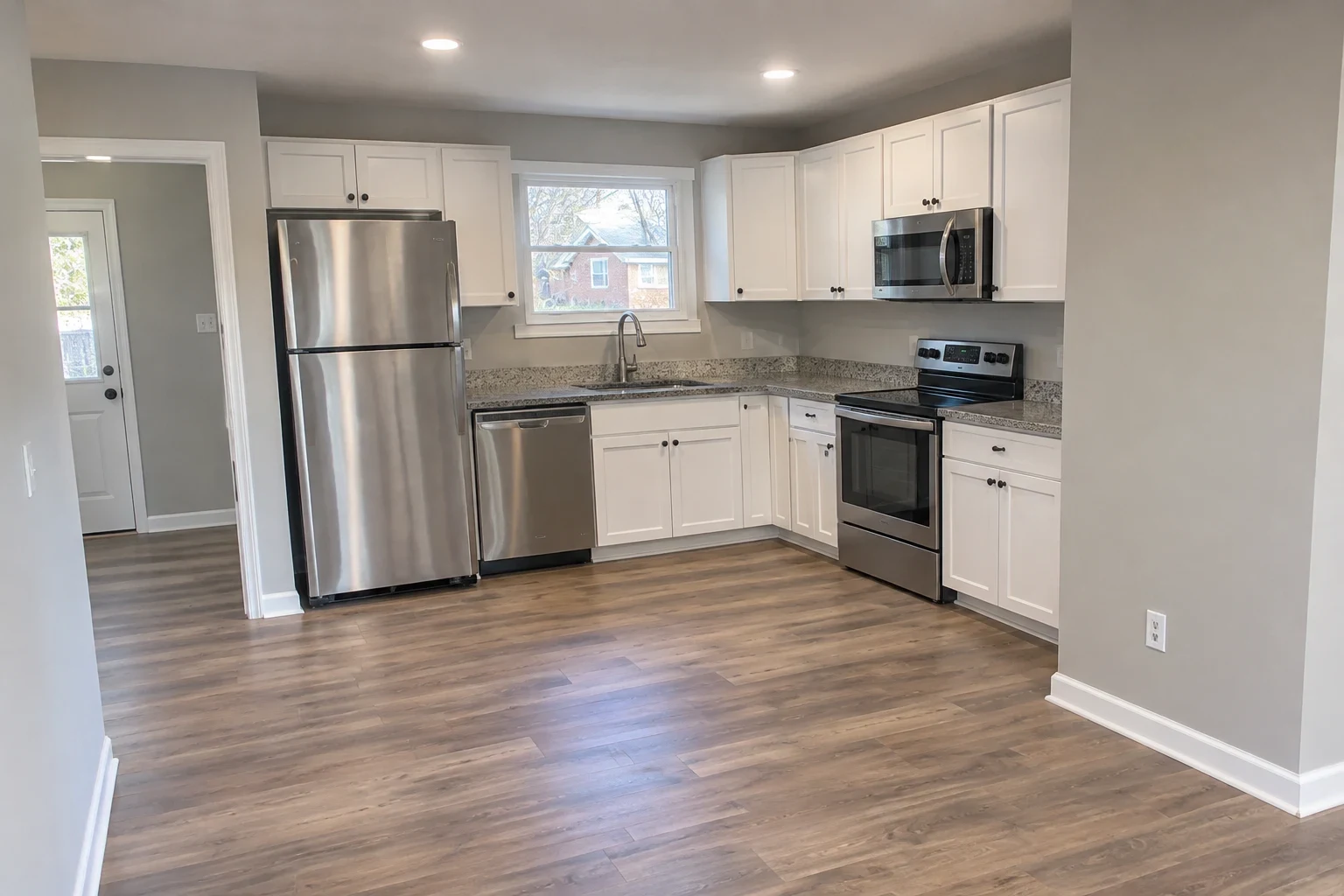
Get Your Rooms Back
We can be on site in 60 mins or less to check the damage, take moisture readings and explain what needs rebuilding. If water is still coming in, we start with the emergency response.