ServicesSewage Cleanup
Sewage Cleanup in Bellwood
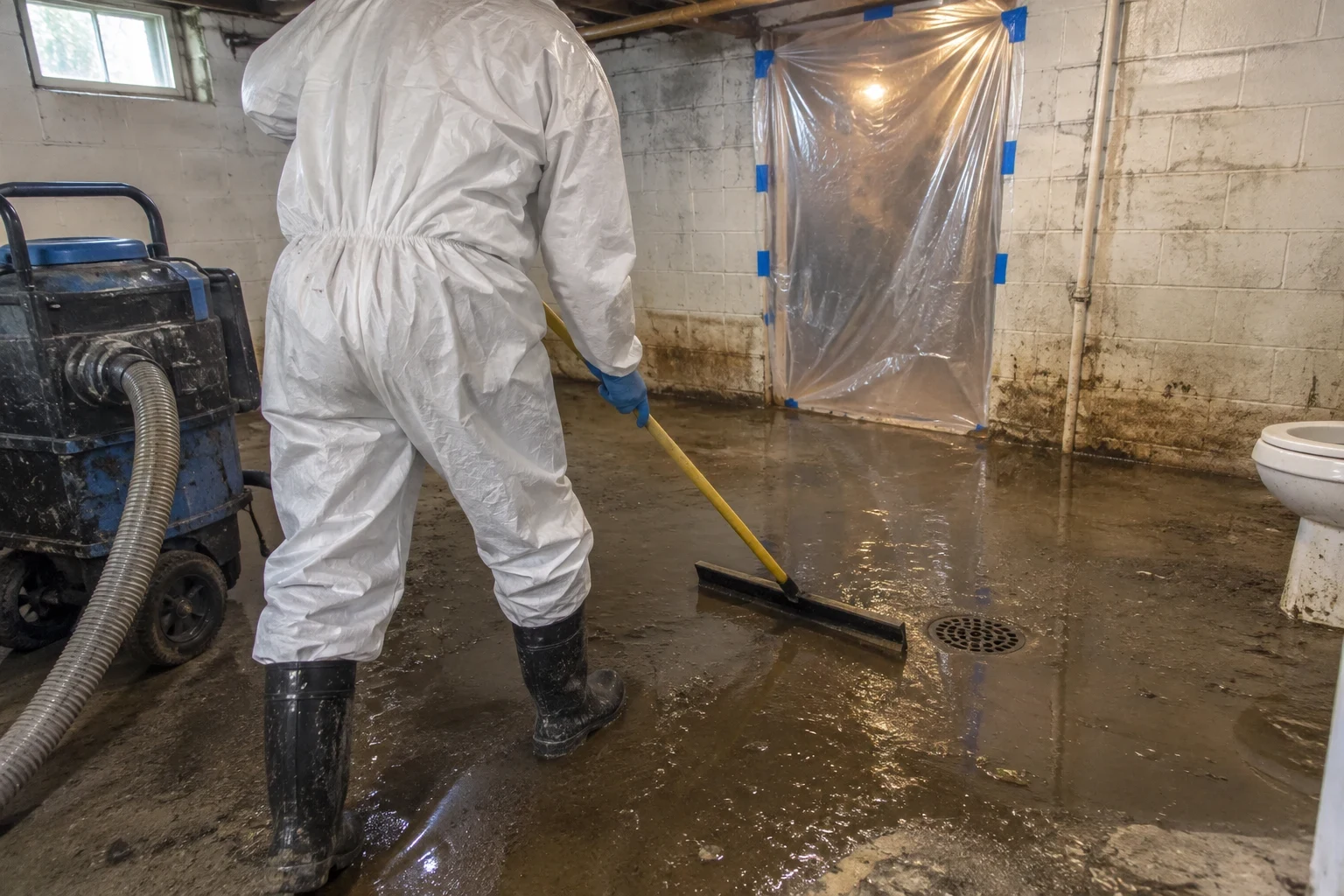
A sewage backup is Category 3 water, and it needs more than a wet vac. We seal off the affected area, remove what cannot be saved, disinfect and dry what can, and keep the contamination from reaching the rest of your home.
What this work involves and when you need it
Sewage is classed as Category 3, or black water. It carries bacteria, viruses and parasites, and it soaks into anything porous it touches. Carpet pad, drywall, fiberglass insulation and particleboard cabinet bases act like sponges, and disinfectant cannot reach far enough into them to make them safe again. That is why this work is mostly a removal and sanitizing job first, and a drying job second.
The usual causes are a main sewer line blocked by tree roots or grease, a collapsed clay or cast iron lateral, a failed backwater valve, or heavy summer storms overloading the municipal system and pushing water up through a basement floor drain. Toilet overflows that came from the drain side count too, even when the water looks clear.
We are on site in 60 mins or less. Before any material leaves the room, we put up containment so the tear-out itself does not spread the problem.
What our sewage cleanup includes
Containment and negative air
We hang 6-mil plastic sheeting with zipper doors around the affected area and run an air scrubber with a HEPA filter to keep the space under negative pressure. Air flows into the work zone, not out of it, so odors and airborne particles stay put.
Extraction of standing waste
Truck-mounted or portable pumps remove liquid and solids. We collect waste in sealed containers rather than running it back through a drain that may still be blocked.
Removal of porous materials
Carpet, pad, saturated drywall cut at least two feet above the waterline, wet insulation and swollen baseboard come out. Everything is bagged inside the containment and carried out along a covered path.
Scrubbing and disinfection
Concrete, studs, joists and other hard surfaces are scrubbed and treated with an EPA-registered antimicrobial. We scrub first because disinfectant does not work well through a layer of residue.
Structural drying
Dehumidifiers and air movers bring framing and subfloor back to normal moisture levels, which we confirm with a moisture meter. Our Drying and Dehumidifying page explains that stage in more detail.
Daily tidy-up and a neat finish
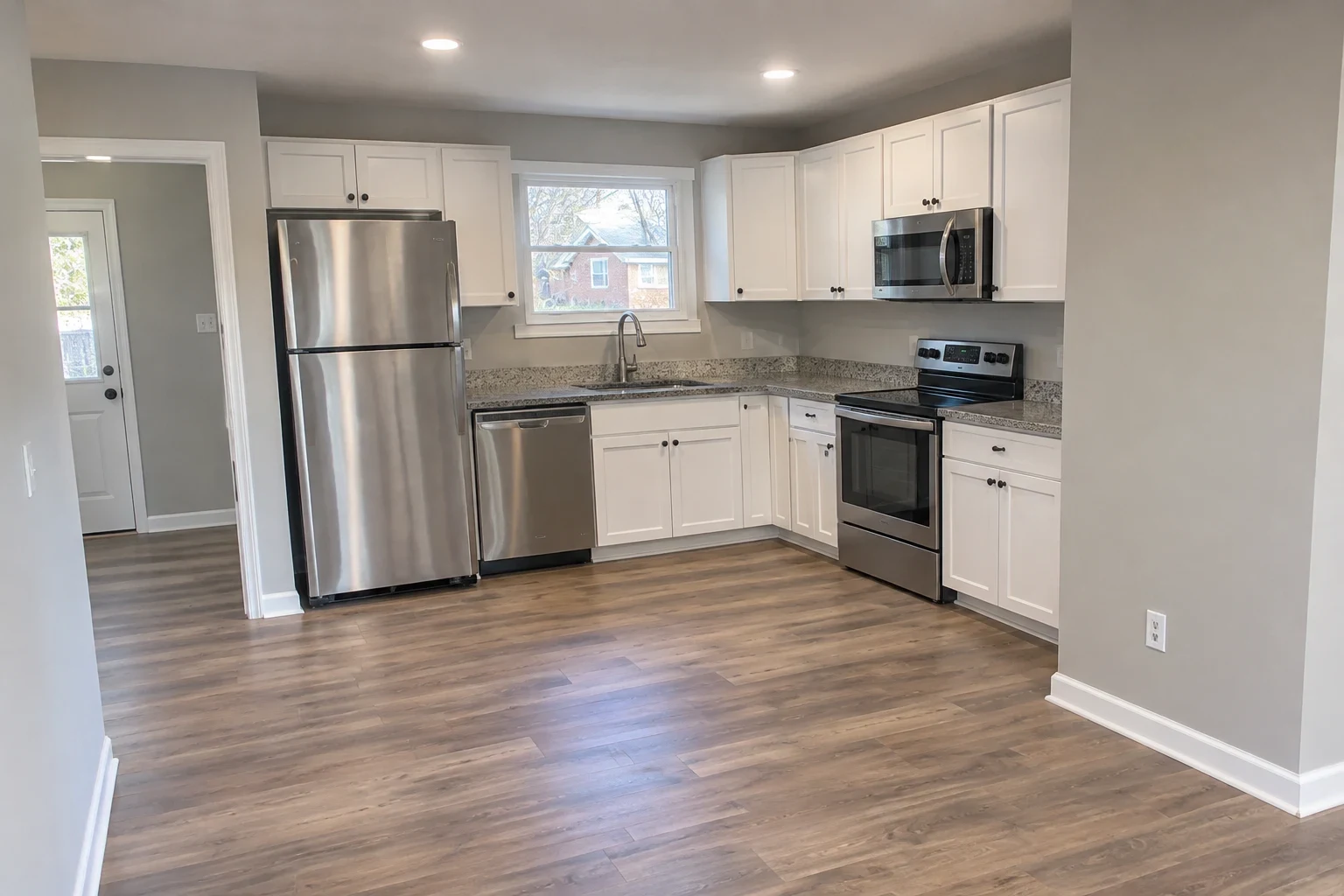
We sweep and HEPA vacuum the work path at the end of each visit and wipe down floor protection. When we leave for the last time, the space is swept, sanitized and ready for Repairs and Rebuild.
Signs you have a sewage problem
Water coming up from a floor drain
Dark water rising from a basement or utility room drain usually points to a main line blockage. Stop running water in the house until the line is cleared.
Several fixtures backing up at once
One slow sink is a local clog. A toilet that gurgles when the washer drains, or a tub filling when you flush, means the shared main is restricted.
A sewage smell that will not go away
A persistent sulfur or rotten smell near drains, in a crawl space or behind a wall can mean a cracked drain line leaking where you cannot see it.
Stains or soft spots near a toilet
A failed wax ring lets waste water seep into the subfloor. Darkened grout, a rocking toilet or soft flooring are early clues.
Wet crawl space soil with odor
A broken drain under the house can saturate the vapor barrier and soil for weeks before anyone notices. The smell often shows up first in the rooms above.
How the job runs on the day
- 1
Assess and make it safe
We find where the water came from, shut off power to wet areas if needed, and photograph the damage and the waterline. You get a plain answer on what must be removed and what can be saved.
- 2
Protect the rest of your home
Floor runners go down from the entry to the work area, and containment goes up before demolition. Doorways and HVAC returns near the area are sealed so the system does not pull contaminated air through the house.
- 3
Extract, remove and disinfect
Crews in protective gear pump out the waste, tear out the affected porous materials and bag them on the spot. Hard surfaces are scrubbed, then treated with antimicrobial.
- 4
Dry, verify and tidy up
Drying equipment runs until meter readings show the framing is dry. On each visit we check readings, empty bags and sweep the path we used. The containment comes down only after readings confirm the area is dry and surfaces are sanitized.
What affects the cost of sewage cleanup
Every backup is different, so we price the job after we see it. Most of the cost comes from how far the water spread and how much material has to come out. We walk you through a written, line-item estimate before work begins, and we work with most major insurance companies.
- Affected area and height
- A few square feet around a toilet is a small job. A finished basement with water across the whole floor means more containment, more tear-out and more drying equipment.
- Finished versus unfinished space
- Bare concrete and open framing are faster to scrub and disinfect. Carpet, drywall, built-in cabinets and insulation all have to be removed and disposed of as contaminated waste.
- Time before work starts
- Sewage left for a day or two wicks higher into walls and starts mold growth. Earlier action usually means less removal.
- Access and disposal
- Tight crawl spaces, long carry routes and the volume of bagged debris all affect labor and haul-away.
Sewage backup questions
Something not covered here? (804) 701-8207
Can I handle a small sewage backup myself?
A small overflow on a tile bathroom floor that you catch right away can be handled with gloves, a mask and a household disinfectant. Once sewage reaches carpet, drywall or a subfloor, it is soaked into materials you cannot sanitize from the surface. That is when removal and professional drying are the safer call.
Do my carpet and drywall really have to go?
Carpet pad and drywall that touched sewage almost always do. They are porous, and disinfectant cannot reach the contamination inside them. Some solid wood, tile and concrete can be scrubbed, disinfected and kept, and we show you which is which before we remove anything.
Is it safe to stay in the house during the work?
Usually yes, if the affected area is contained and you keep children, pets and anyone with a weak immune system out of it. Our negative air setup keeps the work zone's air from drifting into the living space. If the backup affects your only bathroom or kitchen, we will talk through options with you.
Will insurance cover a sewage backup?
Many standard policies exclude sewer backup unless you added a specific endorsement, so check your declarations page. We work with most major insurance companies and provide photos, moisture readings and a line-item scope your adjuster can review. The coverage decision is theirs, but we help you understand the paperwork.
Do you fix the sewer line itself?
The pipe repair is plumbing work, and you will need a plumber to clear or repair the line. We handle the extraction, disinfection and drying, and our Repairs and Rebuild crew puts the room back together afterward.
Get the backup contained today
Sewage spreads further the longer it sits. We answer around the clock and are on site in 60 mins or less to stop it, contain it and start the removal.